
Understanding Extended Producer Responsibility (EPR)
Extended Producer Responsibility (EPR) policies are rapidly expanding across the United States and may create new reporting and financial obligations for cider producers and other beverage manufacturers.
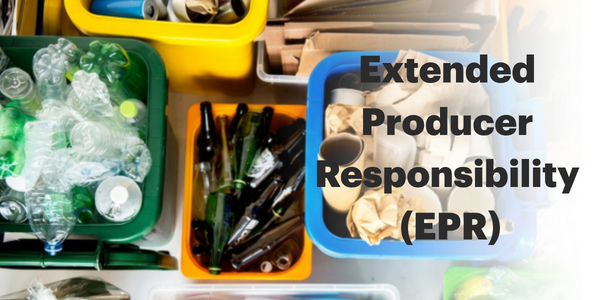
While these programs are intended to improve recycling systems and reduce packaging waste, they also introduce a new layer of regulatory compliance that many cider businesses may not yet be aware of. We wanted to provide an overview to explain the rationale behind EPR programs, the requirements to watch for, and the responsibilities that may fall on your business if you manufacture, import, or sell packaged products into participating states.
What is Extended Producer Responsibility?
Extended Producer Responsibility, commonly referred to as EPR, is a policy approach that shifts responsibility for managing packaging waste from consumers and local governments to the companies that produce, import, or sell packaged products.
Under EPR systems, producers are required to help fund and support the collection, recycling, and disposal of packaging materials after consumers have finished using them.
In practice, this means that businesses placing packaged products into the marketplace may be required to:
-Report the amount and type of packaging materials they use
-Register with a Producer Responsibility Organization (PRO)
-Pay fees based on the quantity and recyclability of packaging materials placed on the market
-Maintain records demonstrating compliance with state requirements
Which States Have EPR Requirements?
Several states have already enacted packaging EPR laws, including:
California
Colorado
Oregon
Minnesota
Maine
Maryland
Washington
Additional states are actively considering similar legislation, making it increasingly important for cider producers to understand how these programs may affect their businesses.
Who Must Comply?
Requirements vary by state, but generally, EPR laws apply to companies that manufacture, import, distribute, or sell any packaged products within a state.
This may include your cider business if you:
-Produce and package cider sold into EPR states
-Sell cider directly to consumers across state lines
-Import packaged products
-Utilize branded packaging such as bottles, cans, cartons, carriers, boxes, or other packaging materials
-Even relatively small producers may have reporting obligations depending on annual revenue thresholds, production volumes, and state-specific exemptions.
What is a Producer Responsibility Organization (PRO)?
Because managing compliance individually would create a significant administrative burden, states authorize nonprofit organizations known as Producer Responsibility Organizations (PROs) to administer EPR programs on behalf of producers.
Currently, the primary PRO operating in the United States is the Circular Action Alliance (CAA), which manages compliance programs in six of the seven states listed above. Maine currently administers its program separately.
Companies subject to EPR requirements generally register with the applicable PRO, submit packaging data, and pay fees through that organization.
How Are Fees Determined?
Fees vary by state and are typically based on both the amount and type of packaging used.
Packaging that is widely recyclable or contains post-consumer recycled (PCR) content may receive lower fee assessments, while materials that are difficult to recycle, made from multiple material types, or have limited end-of-life recycling options may be assessed at higher rates.
The intent is to encourage producers to design packaging that is easier to recycle and more environmentally sustainable.
Examples of packaging materials that may require reporting include:
-Glass bottles
-Aluminum cans
-Corrugated cardboard
-Paperboard carriers
-Plastic wraps and films
-Labels and closures
-Secondary shipping materials
What Should Cider Producers Do Now?
If you manufacture, import, or sell packaged cider products in states with EPR laws, now is the time to:
-Determine whether your business is subject to EPR requirements in each state where you operate.
-Review registration and reporting deadlines for applicable states.
Inventory and document all packaging materials used in your products.
-Evaluate whether registration with a Producer Responsibility Organization is required.
-Consult legal or compliance professionals if you are uncertain about your obligations.
As EPR programs continue to expand, proactive planning and recordkeeping will help your cider business avoid compliance issues and unexpected costs.
The ACA will continue monitoring developments related to packaging EPR policies and provide updates as additional guidance becomes available.
By Jenn Root Martell | July 6, 2026